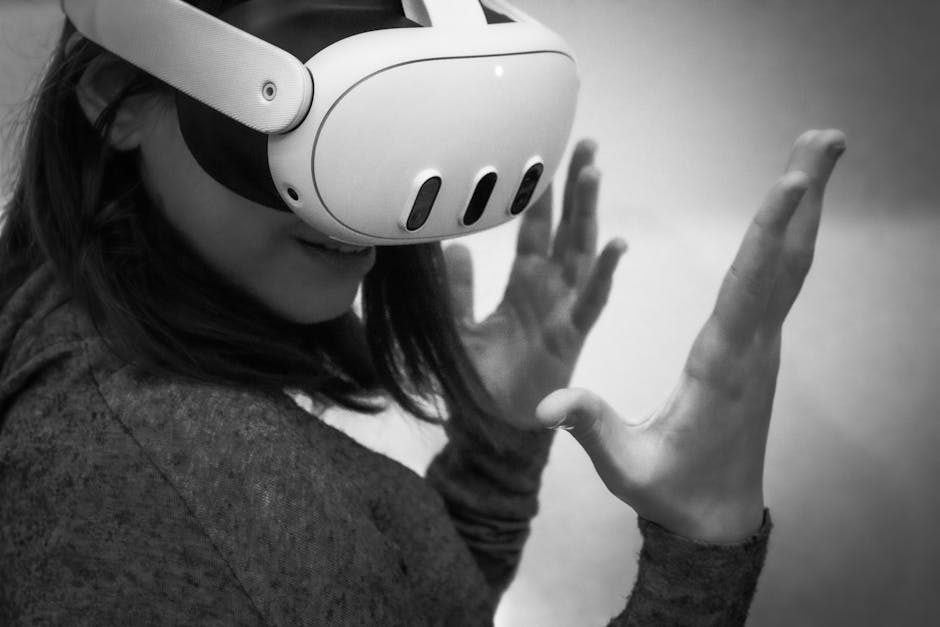
In a recent test of three pairs of XR display glasses, the winner was surprisingly clear, with Viture, RayNeo, and Xreal being put to the test. The results showed that one key feature stood out above the rest.
The test revealed that polished spatial tracking was the deciding factor, outperforming both raw brightness and future promises. This suggests that the ability of the glasses to accurately track the user’s spatial movements was more important than their brightness or potential future features. The test did not provide detailed specifications or quotes, but it highlighted the importance of spatial tracking in XR display glasses.
The outcome of this test may have significant implications for the development of XR display glasses, with manufacturers potentially focusing more on improving spatial tracking capabilities. As the market for XR technology continues to grow, the results of this test could influence the direction of future products from companies like Viture, RayNeo, and Xreal, and impact the overall user experience.




Leave a Reply